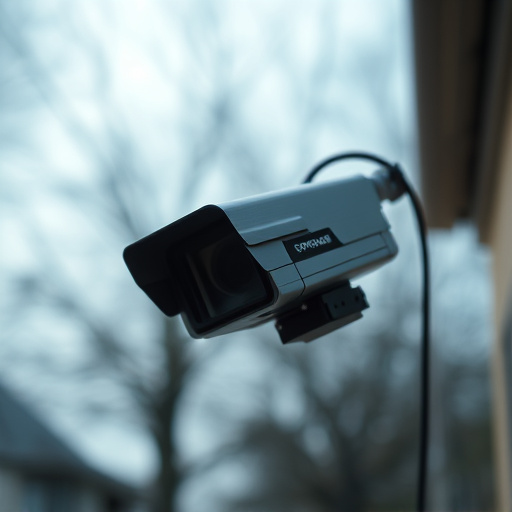
Concealed cameras, disguised as everyday items, stream real-time video/audio undetected via global internet access, making detection difficult until breaches occur. Mobile apps leveraging AI and computer vision technologies analyze video feeds to identify unusual patterns, alerting users to potential surveillance devices. These apps offer remote deactivation features and constant updates, revolutionizing privacy protection in public spaces. While effective, they require sensitive device permissions and ethical guidelines to balance security benefits against citizens' privacy rights.
In an era where technology advances rapidly, so do methods of surveillance. This article delves into the world of spy equipment detection using mobile apps, a modern solution to identifying hidden threats like concealed cameras with streaming capabilities. We explore various aspects, from understanding advanced spy technologies to evaluating popular detection apps and addressing privacy concerns surrounding this evolving field.
- Understanding Spy Equipment and Their Streaming Abilities
- The Role of Mobile Apps in Detection: Unveiling the Technology
- Popular Spy App Detection Tools: Features and Effectiveness
- Privacy Concerns and Ethical Considerations in Spy Equipment Detection Apps
Understanding Spy Equipment and Their Streaming Abilities
Spy equipment, including concealed cameras, have evolved significantly with advancements in technology. These devices are designed to be nearly invisible, often disguised as everyday items like pens, buttons, or even flowers. They possess sophisticated streaming capabilities, allowing them to transmit video and audio data in real-time, undetected. This poses a significant concern for privacy and security, as malicious actors can remotely monitor and record sensitive information without the victim’s knowledge.
The streaming abilities of concealed cameras are particularly alarming. They can connect to the internet or other devices seamlessly, enabling live feeds that can be accessed from anywhere in the world. This remote access feature makes it challenging to detect their presence, as potential threats may not be evident until a significant breach occurs. Understanding these capabilities is crucial for developing effective countermeasures and raising awareness among individuals and organizations at risk.
The Role of Mobile Apps in Detection: Unveiling the Technology
In today’s digital era, mobile apps have emerged as powerful tools in the realm of spy equipment detection. These applications leverage advanced technologies to uncover hidden threats, such as concealed cameras and streaming capabilities, that were once difficult to detect. By integrating artificial intelligence (AI) and computer vision algorithms, apps can analyze real-time video feeds, identify unusual patterns, and alert users to potential surveillance devices.
The role of mobile apps in spy equipment detection extends beyond basic identification. Some innovative apps go a step further by providing remote deactivation features for certain types of hidden cameras. This not only aids in neutralizing the threat but also offers peace of mind, especially in public spaces where such devices may be strategically placed. With constant updates and improvements, these apps are revolutionizing how we protect our privacy and navigate our bustling world.
Popular Spy App Detection Tools: Features and Effectiveness
In the realm of spy equipment detection, mobile apps have emerged as powerful tools to uncover hidden threats. Among the most popular are those designed to identify concealed cameras and streaming capabilities, offering users a layer of digital protection. These apps leverage advanced sensor technology and machine learning algorithms to detect even the subtlest signs of surveillance, such as irregular lighting patterns or unusual data transfer.
The effectiveness of these spy app detection tools lies in their ability to continuously monitor phone activities and notify users of potential risks. Key features include real-time alerts, hidden camera location mapping, and detailed reports on suspicious behavior. However, it’s important to note that while these apps provide valuable assistance, they cannot guarantee 100% accuracy due to the ever-evolving nature of spy equipment technology. Regular updates and user feedback play a crucial role in enhancing their detection capabilities.
Privacy Concerns and Ethical Considerations in Spy Equipment Detection Apps
Privacy concerns are a significant aspect when considering spy equipment detection apps and their potential impact on individuals’ personal lives. These applications, designed to identify hidden cameras and surveillance devices, often require access to various permissions on mobile devices, including camera, microphone, and even location data. While these permissions enable the app to perform its intended function, they also open doors for potential privacy breaches. Users must be mindful of how much information they are granting and trust the developers to handle such sensitive data responsibly.
Ethical considerations come into play when discussing spy equipment detection apps, especially with regards to their use by law enforcement or private individuals. The ability to detect concealed camera streaming capabilities can be a powerful tool for maintaining security, but it raises questions about surveillance ethics and potential misuse. It is essential to establish clear guidelines and regulations to ensure these apps are used ethically, respecting citizens’ rights and privacy while aiding in the prevention of unauthorized surveillance.
Mobile apps have emerged as powerful tools in the detection of spy equipment, particularly with their ability to analyze hidden camera streaming capabilities. By utilizing advanced technology, these applications offer a practical solution for individuals seeking to protect their privacy. However, as we’ve explored, there are ethical considerations and potential privacy risks associated with such apps. It’s crucial that developers and users alike remain vigilant, ensuring transparency and responsible use to maintain a balance between security and personal freedoms in the digital age.