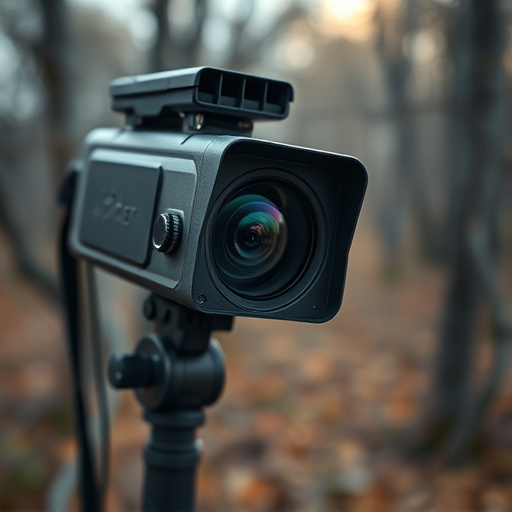
Covert recording, or hidden camera surveillance, raises privacy concerns and is legally restricted to specific contexts like law enforcement or certain professions. With advancements in technology making unauthorized recordings easier, understanding legal implications and ethical guidelines is crucial to avoid violations. Individuals can proactively protect their privacy by looking for subtle physical cues suggesting the presence of hidden cameras. Advanced technology such as infrared imaging, thermal imaging, and AI-powered audio detectors enhances the ability to identify concealed camera streaming capabilities. Safeguarding privacy involves implementing robust security measures, educating individuals about potential devices, and using advanced motion sensors to deter covert recording techniques.
Uncover the insidious world of covert recording with this comprehensive guide. Learn how hidden cameras, often used for malicious purposes, stream concealed content without consent. Explore essential strategies to identify potential spots, from physical cues to advanced technology, empowering you to protect your privacy. Understand legal implications and discover countermeasures to combat these stealthy techniques. Stay ahead of the curve and safeguard your personal and professional spaces in an era where hidden cameras pose a significant threat.
- Understanding Covert Recording and Its Legal Implications
- Identifying Potential Covert Recording Spots: Physical Cues
- Advanced Technology for Detecting Hidden Cameras
- Preventing and Countering Covert Recording Techniques
Understanding Covert Recording and Its Legal Implications
Covert recording, also known as hidden camera surveillance, involves the use of technology to capture audio or video footage without the knowledge or consent of the individuals being recorded. This practice raises significant legal and ethical concerns due to its potential invasion of privacy. In many jurisdictions, covert recording is only permissible under strict conditions, such as in law enforcement investigations or in specific professions like security or surveillance.
The advancement in technology has led to the development of concealed camera streaming capabilities, making it easier for unauthorized individuals to secretly record activities. While these tools can have legitimate uses, their misuse can result in serious legal consequences, including civil lawsuits and criminal charges. It’s crucial to understand the legal implications and adhere to ethical guidelines when considering any form of covert recording to avoid unintentional violations.
Identifying Potential Covert Recording Spots: Physical Cues
When it comes to identifying potential covert recording spots, one of the first steps is to look for physical cues that might indicate the presence of hidden cameras or streaming devices. The modern world is saturated with technology, and some of these gadgets have concealed camera streaming capabilities designed to evade detection. For instance, subtle markings on walls or ceilings could suggest the installation of hidden cameras, as manufacturers often leave distinctive signs during setup. Additionally, unusual wiring or outlets that don’t seem to match the room’s design might point to a covert listening device or camera.
It’s important to be vigilant and examine spaces thoroughly, paying attention to details many would overlook. Hidden compartments, such as false walls or ceilings, are common spots for covert recording devices. Furthermore, any signs of tampering with the structure, like fresh paint covering worn areas or recently installed hardware, could indicate a hidden camera setup. By understanding these physical cues, individuals can take proactive measures to protect their privacy and deter unauthorized surveillance.
Advanced Technology for Detecting Hidden Cameras
Advanced technology has significantly enhanced our ability to detect hidden cameras, transforming the landscape of covert recording spot identification. Modern devices employ sophisticated algorithms and sensors that can uncover concealed camera streaming capabilities. These tools utilize infrared and thermal imaging to detect heat signatures, which can indicate the presence of electronic devices like hidden cameras. Additionally, advanced audio detectors can pick up on subtle sounds or vibrations that may suggest the operation of surveillance equipment.
With the help of artificial intelligence (AI), these detection methods have become more precise. AI algorithms can analyze video and audio feeds in real-time, identifying patterns and anomalies indicative of covert recording devices. This technology allows professionals to navigate labyrinthine spaces with confidence, ensuring they identify hidden cameras without becoming detected themselves.
Preventing and Countering Covert Recording Techniques
Preventing and countering covert recording techniques is an essential aspect of maintaining privacy and security in various settings. With advancements in technology, concealed camera streaming capabilities have become more sophisticated, making it challenging to identify and deter such activities. One effective method to mitigate this issue is by implementing robust security measures, such as regular surveillance system checks and updates, which can help detect and disrupt hidden cameras.
Additional strategies include raising awareness among employees or individuals in sensitive areas about the potential use of covert recording devices. Educating them on how to recognize suspicious activities or objects, like unusual decorations or unfamiliar electronics, can empower them to take proactive steps. Moreover, utilizing advanced motion sensors, infrared technology, and random security checks can create an environment where covert recording becomes less attractive and more difficult to execute successfully.
In an era where technology advances rapidly, understanding and combating covert recording techniques are essential. This guide has navigated through various aspects, from recognizing physical cues that might indicate hidden cameras to exploring advanced tech for their detection. Additionally, it has highlighted the legal implications of such actions, emphasizing the importance of preventing and countering these practices effectively. By staying informed about these methods, including the latest in concealed camera streaming capabilities, individuals can better protect their privacy and create a safer digital environment.