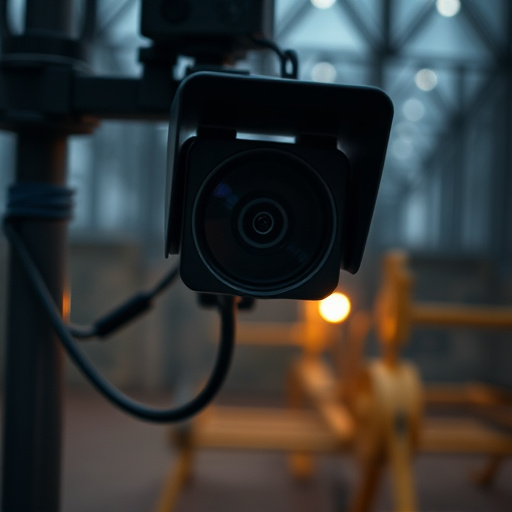
A thorough sweep of residential properties for concealed camera streaming capabilities involves identifying unusual objects and spots where cameras might be hidden. Professionals use advanced tools to detect data signals, ensuring a comprehensive search. Understanding local laws regarding surveillance is crucial for homeowners, as unauthorized use of such devices can have legal repercussions. Enhancing physical security through locks, lighting, and modern systems creates an impenetrable home, while regular video analysis identifies potential risks and informs security upgrades.
“Protecting your privacy at home has never been more vital. This comprehensive guide delves into the world of residential property surveillance, equipping you with essential knowledge to identify and mitigate hidden threats. Learn to spot common concealed camera locations and understand the advanced streaming capabilities they possess. Explore legal boundaries surrounding surveillance devices and discover preventive measures to fortify your space. With an eye for detail, analyze footage effectively, turning data into a powerful tool against potential intruders.”
- Identify Common Concealed Camera Locations
- Detect Streaming Capabilities: Tools and Techniques
- Understanding Legal Boundaries for Surveillance Devices
- Secure Your Property: Prevention Measures After Sweep
- Analyzing Data: Identifying Potential Threats from Footage
Identify Common Concealed Camera Locations
When conducting a surveillance device sweep of a residential property, it’s crucial to be aware of common concealed camera locations. Many modern surveillance systems employ hidden cameras with advanced streaming capabilities, making them nearly invisible to the naked eye. Look for devices disguised as everyday objects like light bulbs, power outlets, or smoke detectors. These “smart” cameras can transmit video feeds wirelessly to a central control unit or even to your smartphone, providing remote access and real-time monitoring.
In addition to these obvious hidden spots, consider areas where traditional security cameras might be installed but are less conspicuous. For instance, cameras could be mounted inside or behind mirrors, placed in false ceiling tiles, or incorporated into decorative art pieces. Understanding the diverse streaming capabilities of these concealed devices is essential for a thorough sweep, ensuring that no unauthorized surveillance equipment remains undetected within the property.
Detect Streaming Capabilities: Tools and Techniques
Detecting streaming capabilities of concealed cameras is a critical step in conducting a comprehensive residential property sweep. These hidden devices often transmit footage live or store it for later viewing, posing significant privacy risks. To uncover such streaming abilities, professionals employ advanced tools and techniques tailored to intercept and analyze data signals.
One effective method involves utilizing signal detectors that can pick up on wireless transmissions from cameras. Additionally, software applications designed for network forensics help in monitoring and filtering data traffic, enabling the identification of unusual patterns indicative of live or recorded video streaming. By combining these tools with careful inspection and analysis, a thorough sweep can effectively uncover any concealed camera streaming capabilities within residential properties.
Understanding Legal Boundaries for Surveillance Devices
Surveillance devices, while powerful tools for home security, operate within a legal framework that varies by region. It’s crucial to understand the boundaries set by laws and regulations to ensure your practices remain lawful and ethical. The use of concealed cameras, also known as hidden streaming capabilities, is a sensitive topic. Many jurisdictions have specific rules prohibiting the installation of such devices without consent, especially in areas like bathrooms and bedrooms where privacy expectations are high.
Before deploying any surveillance equipment on residential property, familiarize yourself with local laws and obtain necessary permissions. This guide aims to equip homeowners with knowledge about legal considerations, ensuring they can protect their homes effectively while respecting privacy rights.
Secure Your Property: Prevention Measures After Sweep
After a surveillance device sweep, securing your residential property is paramount to prevent future intrusions. Start by reinforcing your physical security measures, such as installing robust door and window locks, adding security cameras with concealed streaming capabilities, and ensuring adequate outdoor lighting. These steps act as deterrents and make it more challenging for unauthorized individuals to access your property.
Regularly reviewing and updating your home security system is crucial. Keep up-to-date with the latest surveillance technology, including hidden camera systems that offer remote monitoring and real-time alerts. Additionally, educate yourself on smart home security features, ensuring your property remains a safe haven. By combining robust physical barriers with advanced surveillance technology, you create an impenetrable fortress around your residence.
Analyzing Data: Identifying Potential Threats from Footage
After conducting a surveillance device sweep of your residential property using concealed cameras with streaming capabilities, analyzing the footage is crucial for identifying potential threats. Start by reviewing every frame meticulously, looking for unusual activities or patterns that could indicate security risks. Pay close attention to areas often overlooked, such as corners and shadows, where intruders might hide.
The data gleaned from this process allows you to make informed decisions about enhancing your property’s security measures. For instance, if footage reveals frequent vehicle tampering in the driveway, consider installing motion-activated lighting or a security system with advanced sensors. Identifying and understanding potential threats through video analysis is a critical step in creating a safe and secure living environment.
In light of the evolving landscape of surveillance technology, understanding common concealed camera locations, detecting streaming capabilities, and adhering to legal boundaries are essential steps in securing your residential property. By utilizing appropriate tools and techniques, as outlined in this guide, you can effectively navigate the digital tapestry of surveillance devices. Remember that knowledge is power; staying informed empowers you to protect your privacy and safety. After conducting a sweep, implement robust prevention measures and analyze footage for any potential threats, ensuring your home remains a safe haven in today’s digital era.