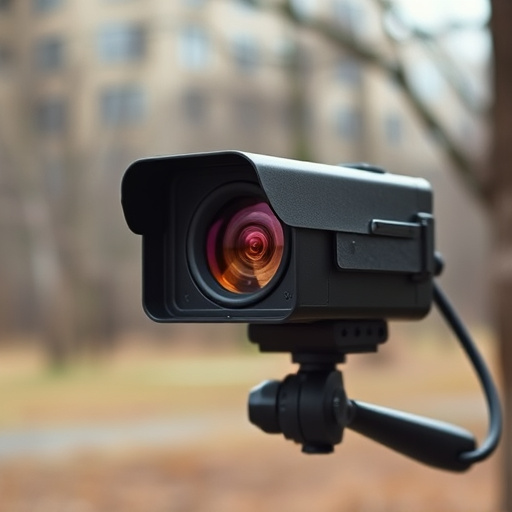
Utilizing concealed camera streaming capabilities requires navigating legal and ethical boundaries, with strict privacy laws and concerns about consent and misuse. High-risk areas like factories, warehouses, and construction sites benefit from these cameras for enhanced security. Advancements in technology enable discreet monitoring with high-definition video, night vision, and long-lasting batteries. Discretion is crucial; strategically place devices, use reflective surfaces, motion sensors, and secure data storage to maintain integrity of recordings.
In an era where covert recording is increasingly prevalent, understanding both legal and ethical boundaries is paramount. This comprehensive guide navigates the intricate landscape of identifying high-risk areas suitable for concealed camera placement, leveraging advanced technology in unobtrusive audio/video streaming, and mastering best practices for discreetly setting up covert recording devices. Discover how these strategies enhance monitoring capabilities while adhering to strict guidelines.
- Understanding Legal and Ethical Considerations for Covert Recording
- Identifying High-Risk Areas for Concealed Camera Placement
- Advanced Technology in Unobtrusive Audio/Video Streaming
- Best Practices for Discreetly Setting Up Covert Recording Devices
Understanding Legal and Ethical Considerations for Covert Recording
When employing covert recording techniques, it’s paramount to grasp the legal and ethical boundaries that surround this practice. In many jurisdictions, there are strict regulations regarding privacy rights and surveillance, especially when it comes to hidden camera usage. Unlawful or unauthorized recording can result in severe consequences, including civil lawsuits and criminal charges.
The ethical implications also extend beyond legality. Covert recording, while useful for investigative purposes, raises concerns about individual privacy, consent, and the potential for abuse. It’s crucial to balance the benefits of evidence collection with respect for personal freedoms. Using concealed camera streaming capabilities responsibly, with proper authorization and transparency, ensures a harmonious relationship between security measures and ethical considerations.
Identifying High-Risk Areas for Concealed Camera Placement
Identifying high-risk areas is a critical step in deploying concealed cameras for covert recording. These areas often require constant surveillance due to their sensitive nature or past security breaches. Factories, warehouses, and construction sites are prime examples where hidden cameras can significantly enhance security measures. The ability of concealed cameras to stream live footage or record secretly offers immense value in preventing theft, vandalism, or employee misconduct.
Risk assessment should consider factors like historical security incidents, valuable assets on premises, and potential targets for unauthorized access. By analyzing these aspects, security professionals can strategically place hidden cameras in areas that pose the highest risk. This proactive approach ensures continuous monitoring, deterring criminal activities, and providing crucial evidence when needed.
Advanced Technology in Unobtrusive Audio/Video Streaming
The advancements in technology have brought about remarkable improvements in unobtrusive audio/video streaming, particularly in the realm of concealed camera streaming capabilities. Modern devices now offer tiny, yet powerful cameras and microphones that can be seamlessly integrated into everyday objects like pens, watches, or even clothing, enabling covert recording. These hidden recording devices boast advanced features such as high-definition video, night vision, and long-lasting battery life, making them nearly invisible to the naked eye.
The integration of these sophisticated streaming technologies allows for discreet monitoring and evidence collection in various scenarios, from surveillance operations to quality control in manufacturing plants. With real-time data transmission capabilities, users can remotely access live feeds or recorded footage via their smartphones or computers, ensuring constant vigilance and comprehensive documentation.
Best Practices for Discreetly Setting Up Covert Recording Devices
When setting up covert recording devices, discretion is key. Start by identifying the location where you need to capture streaming capabilities without raising suspicion. Ensure the area has a stable power source for uninterrupted recording. Position the device in a hidden spot that offers optimal view and covers a wide angle, such as behind furniture or inside a ceiling-mounted fixture.
Use reflective surfaces strategically to bounce light and create shadows that help camouflage the device. Additionally, consider incorporating motion sensors or infrared technology to activate recording only when necessary, further enhancing discretion. Regularly test the setup for quality and ensure data is stored securely to maintain the integrity of your covert recordings.
The guide has explored the intricate world of covert recording, balancing legal and ethical boundaries while highlighting advanced technology in unobtrusive audio/video streaming. By identifying high-risk areas for concealed camera placement and adhering to best practices, individuals can leverage the unique capabilities of hidden cameras, ensuring optimal discretion and effective monitoring without infringing upon privacy rights.