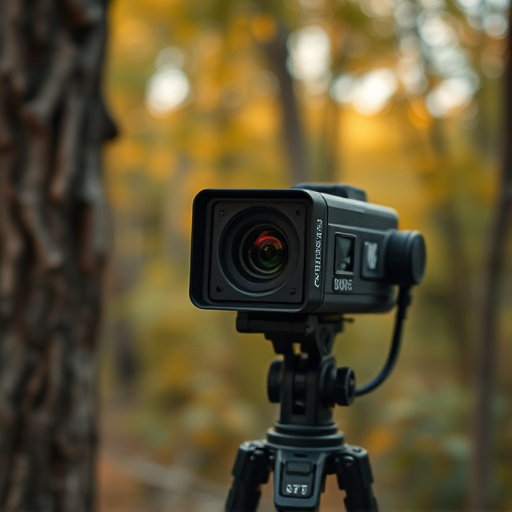
Radio Frequency (RF) technology detects concealed cameras streaming video via specific frequency bands and protocols like RTSP and HTTP. RF detectors and signal analyzers locate hidden cameras. Advanced SDRs demodulate protocols for deeper understanding. Disabilitate safely, legally, using equipment scans, software controls or power disruption. Update security patches and passwords to prevent unauthorized access.
Uncover the insidious world of hidden cameras with our comprehensive guide on detecting concealed camera streaming capabilities using radio frequency (RF) technology. Learn how RF signals power many modern devices, including hidden cameras, and understand the protocols they use to transmit data. We’ll equip you with practical tools and techniques for identifying these signals, along with safe practices for disabling them should you encounter a hidden threat.
- Understanding Radio Frequency (RF) Technology
- Identifying Common Camera Streaming Protocols
- Detecting RF Signals: Tools and Techniques
- Best Practices for Safe Disabling Hidden Cameras
Understanding Radio Frequency (RF) Technology
Radio Frequency (RF) technology plays a pivotal role in modern surveillance and detecting hidden cameras, especially those with concealed streaming capabilities. RF signals are electromagnetic waves that carry data, enabling devices to transmit and receive information wirelessly over various frequencies. In the context of hidden cameras, this technology allows for remote monitoring and data transfer from covertly placed cameras.
By understanding the principles of RF, one can detect these hidden devices more effectively. Cameras with streaming capabilities operate within specific frequency bands, often using low-power signals to transmit video footage discreetly. These signals can be intercepted or detected using specialized equipment that tunes into the camera’s operating frequency, revealing its presence and location. This knowledge empowers individuals and professionals alike to implement countermeasures against hidden surveillance, ensuring a greater level of privacy and security.
Identifying Common Camera Streaming Protocols
Identifying common camera streaming protocols is a crucial step in detecting hidden cameras, as these protocols often reveal the presence of concealed camera streaming capabilities. Many modern security cameras use standard protocols like RTSP (Real Time Streaming Protocol) and HTTP (Hypertext Transfer Protocol) for video transmission. RTSP allows remote control of media playback, while HTTP facilitates live video streaming over the internet.
By analyzing network traffic, experts can detect these protocols’ signatures, which may indicate the presence of hidden cameras. For instance, unusual data packets or specific port numbers associated with camera software can trigger alerts. Additionally, some cameras use proprietary protocols, making them easier to identify and track by utilizing specialized detection tools designed to uncover concealed camera streaming capabilities.
Detecting RF Signals: Tools and Techniques
Detecting RF signals is a crucial step in identifying hidden cameras, especially those with concealed streaming capabilities. Tools like RF detectors and signal analyzers play a pivotal role in this process. These devices scan for radio frequency emissions, which are often used to transmit video feeds from covert cameras. By capturing and analyzing these signals, experts can pinpoint the location of the hidden device.
Advanced techniques involve using software-defined radios (SDRs) that can demodulate and decode various RF protocols. This allows for a more comprehensive understanding of the camera’s streaming capabilities. With the right tools and expertise, it’s possible to detect and disable hidden cameras, ensuring privacy and security in sensitive environments.
Best Practices for Safe Disabling Hidden Cameras
When confronting hidden cameras, it’s crucial to employ safe and legal disabling practices. The first step is to identify the device using specialized equipment designed to detect radio frequency (RF) signals emitted by hidden cameras. This involves scanning for unusual electronic emissions in areas where such devices are suspected. Once detected, a professional can assess the camera’s streaming capabilities and potential methods of deactivation.
Physical manipulation should be avoided unless absolutely necessary due to the risk of damaging personal property or infringing on privacy rights. Instead, focus on disabling the camera remotely through software controls if accessible, or by cutting off power to the device. Regularly updating security patches and using strong passwords can also deter unauthorized access to hidden cameras, preventing their use as surveillance tools.
Hidden cameras pose a significant privacy concern, but with the right knowledge, detecting and disabling them can be a powerful step towards securing personal spaces. This guide has navigated through understanding RF technology, identifying common camera streaming protocols, and employing effective tools to detect RF signals. By adhering to best practices for safe disabling, individuals can protect their privacy and ensure hidden cameras are no longer operating undetected. Remember, staying informed and proactive is key in navigating today’s digital landscape and safeguarding personal information.